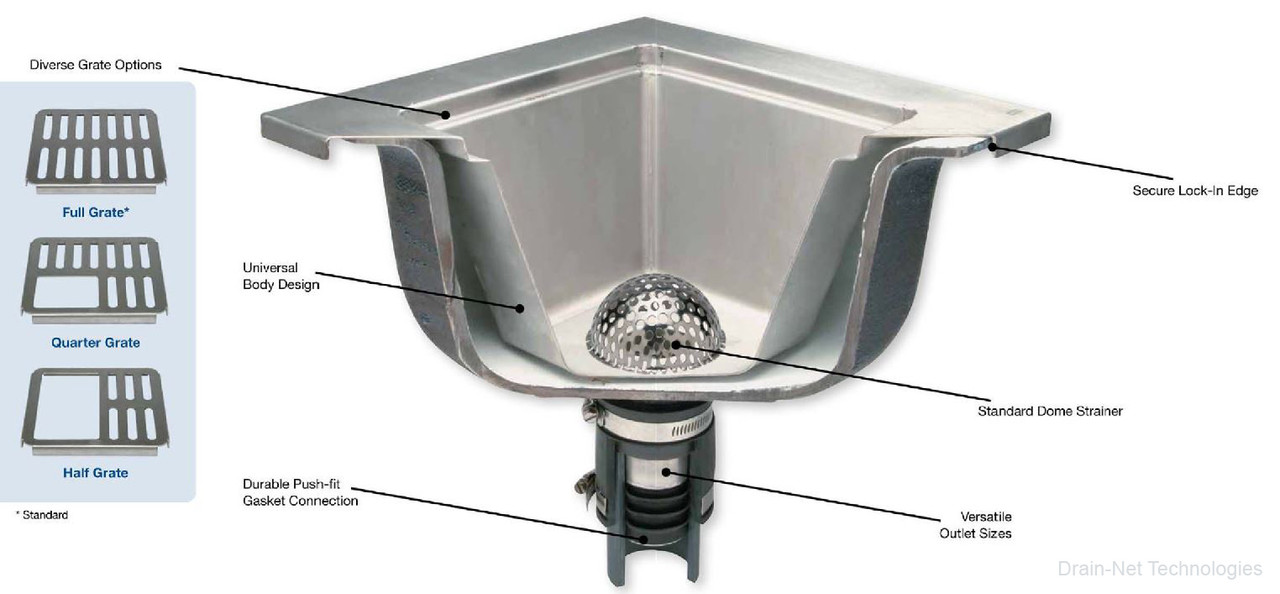
Understanding Sink Liner Metal: A Comprehensive Guide
When it comes to kitchen and bathroom sinks, the material of the sink liner plays a significant role in durability, aesthetics, and maintenance. Sink liners are typically made from a variety of metals, each with its unique properties and benefits. This guide will delve into the world of sink liner metal, exploring the most common types, their characteristics, and factors to consider when choosing the right one for your space.
Common Sink Liner Metals
Stainless Steel
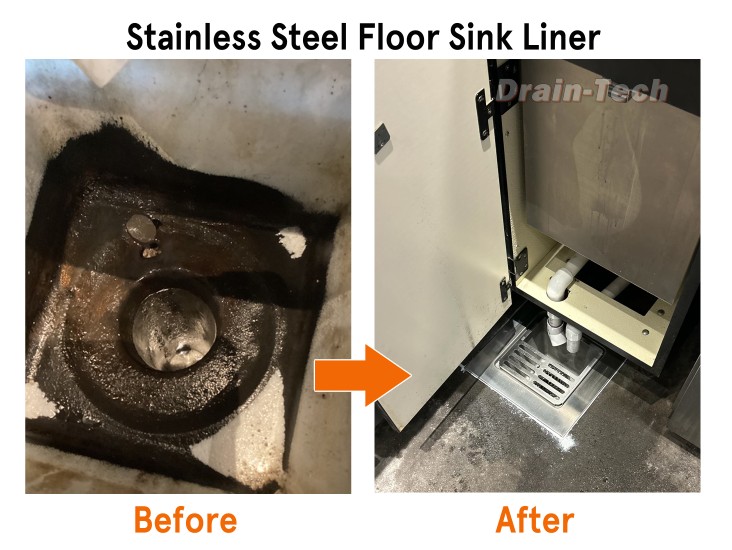
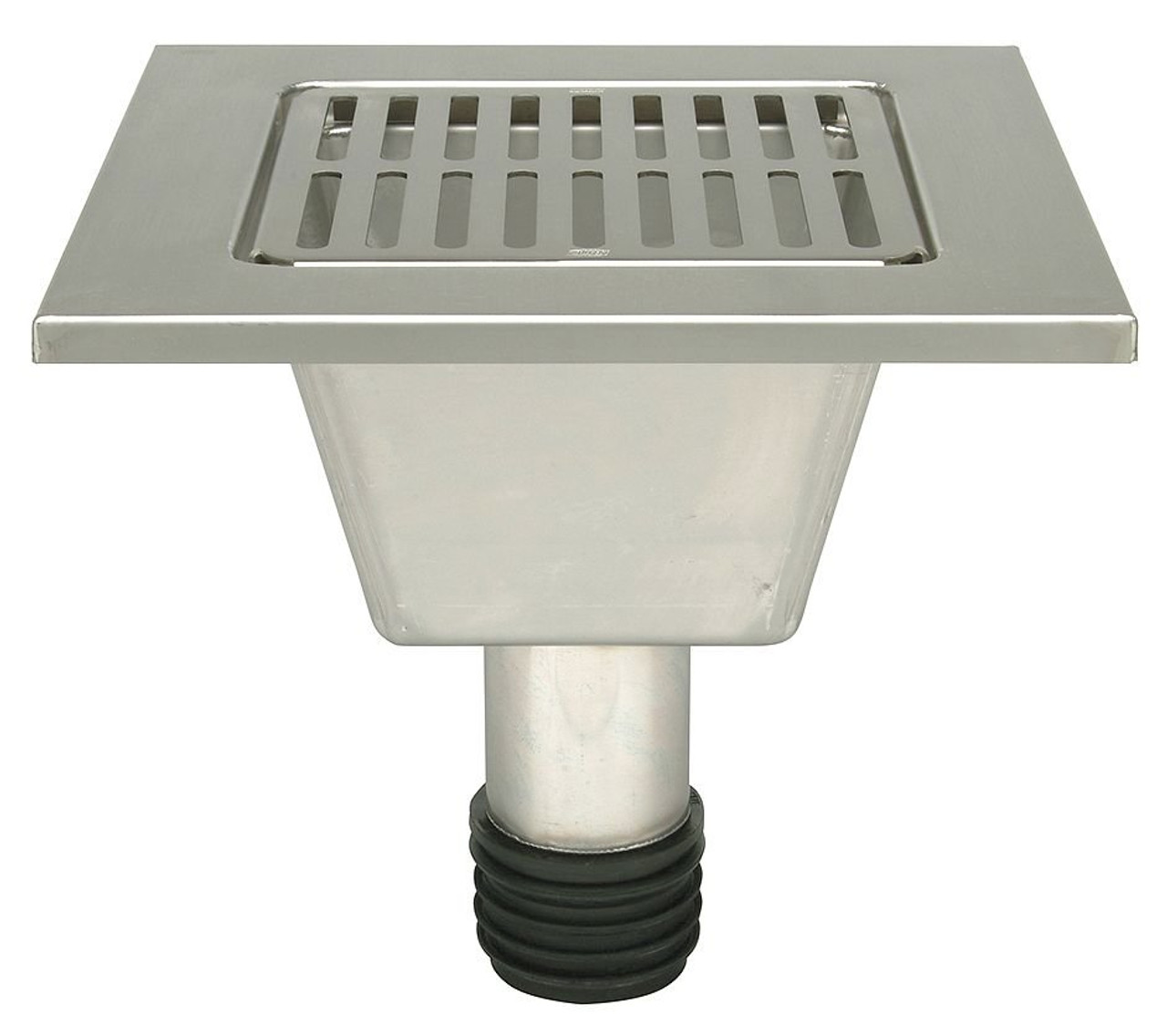
Stainless steel is by far the most popular choice for sink liners due to its durability, resistance to corrosion, and low maintenance. It's an alloy of iron with a minimum of 10.5% chromium, which gives it a protective oxide layer that prevents rust and stains. Here are some key features of stainless steel sink liners:
- Durable and long-lasting
- Resistant to corrosion, rust, and stains
- Easy to clean and maintain
- Available in various gauges (thickness) and grades (quality)
Copper
Copper sink liners offer a unique, luxurious look that can add a touch of elegance to any space. Copper is naturally antimicrobial, making it a hygienic choice. However, it requires more maintenance than stainless steel to prevent tarnishing and maintain its lustrous appearance. Key features include:

- Antimicrobial properties
- Unique, luxurious appearance
- Requires regular maintenance to prevent tarnishing
- Softer than stainless steel, which can lead to denting
Cast Iron
Cast iron sink liners are known for their strength, durability, and classic look. They are typically coated with a layer of enamel for protection and to provide a smooth, easy-to-clean surface. However, they are heavier and more prone to chipping than other materials. Key features are:
- Durable and long-lasting
- Classic, timeless appearance
- Heavier and more prone to chipping than other materials
- Requires careful handling to prevent damage
Factors to Consider When Choosing a Sink Liner Metal
Budget
The cost of sink liners varies significantly depending on the material, quality, and brand. Stainless steel is typically the most affordable option, while copper and cast iron can be more expensive.
Durability and Maintenance
Consider the durability and maintenance requirements of each material. Stainless steel is highly durable and low-maintenance, while copper requires more care to prevent tarnishing.

Appearance and Style
The chosen metal should complement the overall design and style of your space. Copper and cast iron can add a unique touch, while stainless steel offers a more modern, sleek look.
Weight and Installation
Heavier materials like cast iron may require additional support during installation. Ensure your countertop and cabinetry can support the weight of the chosen sink liner.
Conclusion
When selecting a sink liner metal, it's essential to consider factors such as durability, maintenance, appearance, and budget. Whether you choose stainless steel, copper, or cast iron, each material offers unique benefits that can enhance the functionality and aesthetics of your space. By understanding the characteristics of each metal, you can make an informed decision that suits your needs and preferences.
More Details