Understanding and Managing Dust Shedding from Your Rug
If you've recently invested in a beautiful rug to enhance your space, you might be wondering about its maintenance, particularly regarding dust shedding. While it's a common concern, understanding the reasons behind it and how to manage it can help you enjoy your rug for years to come.
Why Does My Rug Shed Dust?
Rugs, especially those made from natural fibers like wool or sisal, shed dust as a natural part of their aging process. This is due to several reasons:
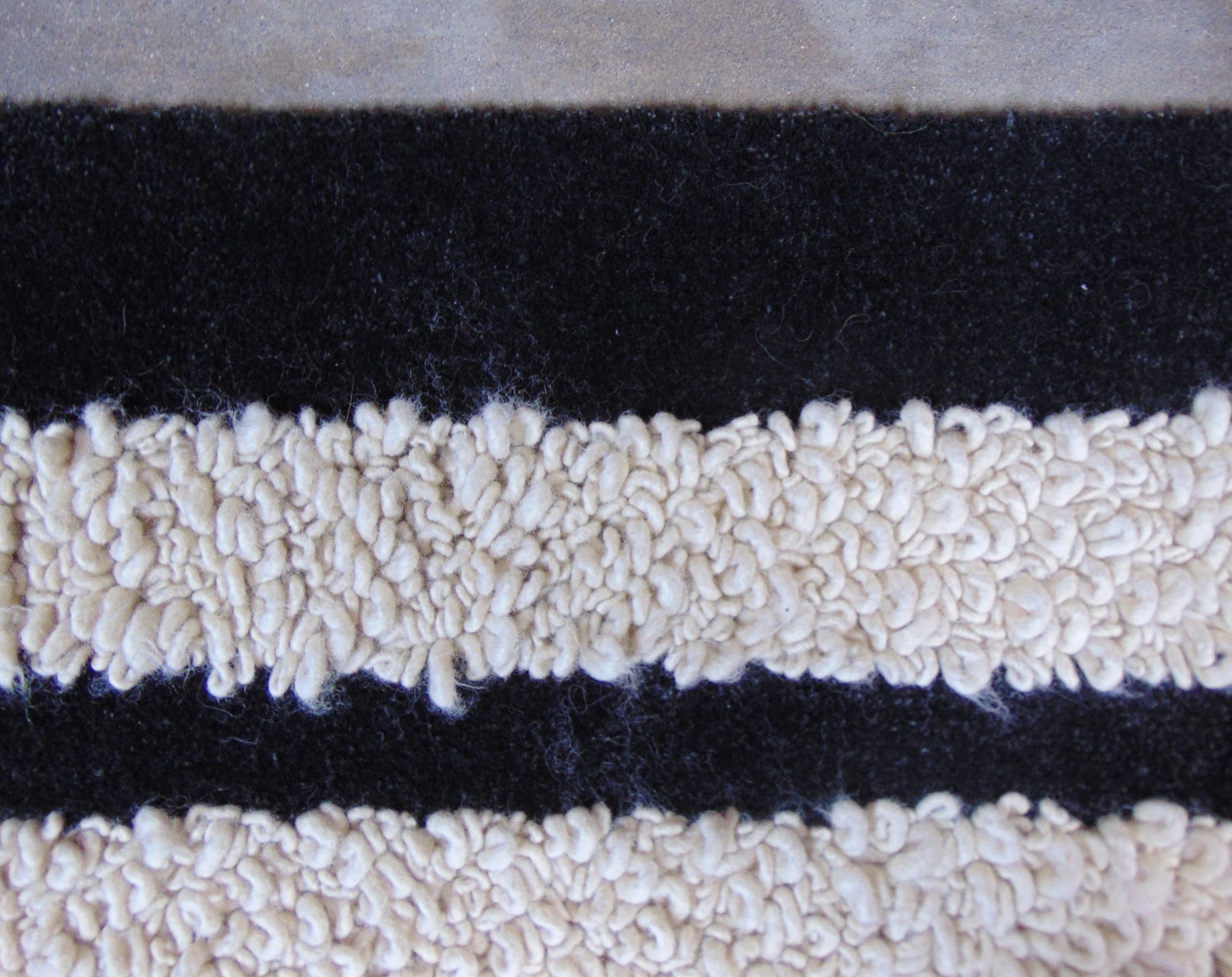
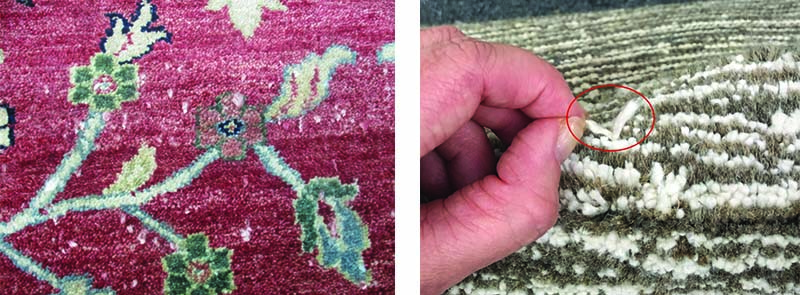
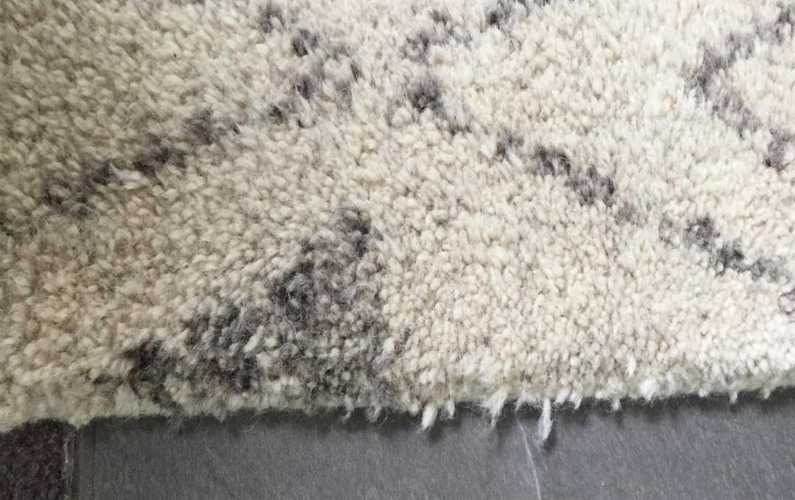
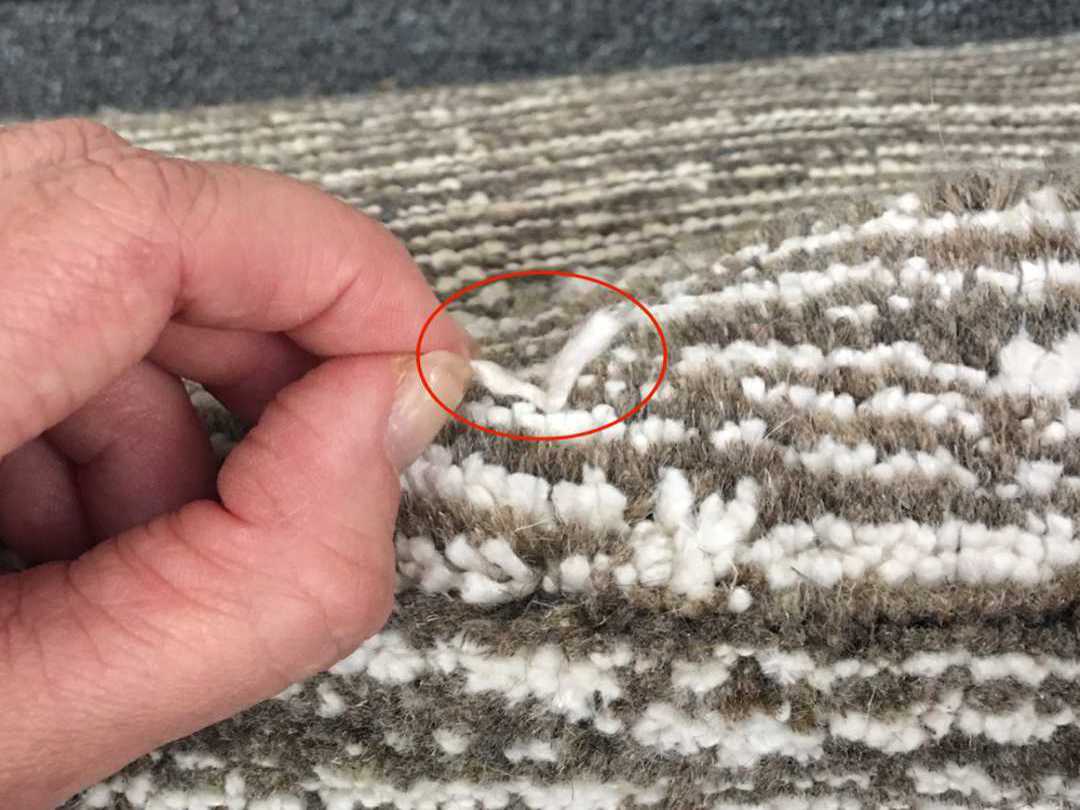
- Loose Fibers: During the weaving process, some fibers remain loose and break free over time, contributing to dust.
- Dander and Allergens: Dust can accumulate in the rug's fibers, including pet dander, pollen, and other allergens, which can be released into the air with foot traffic or vacuuming.
- Environmental Factors: Humidity, temperature changes, and even sunlight can cause fibers to dry out and break, leading to more dust.
How to Minimize Dust Shedding from Your Rug
Regular Cleaning
Establishing a regular cleaning routine is crucial to manage dust shedding. Here's how you can do it:

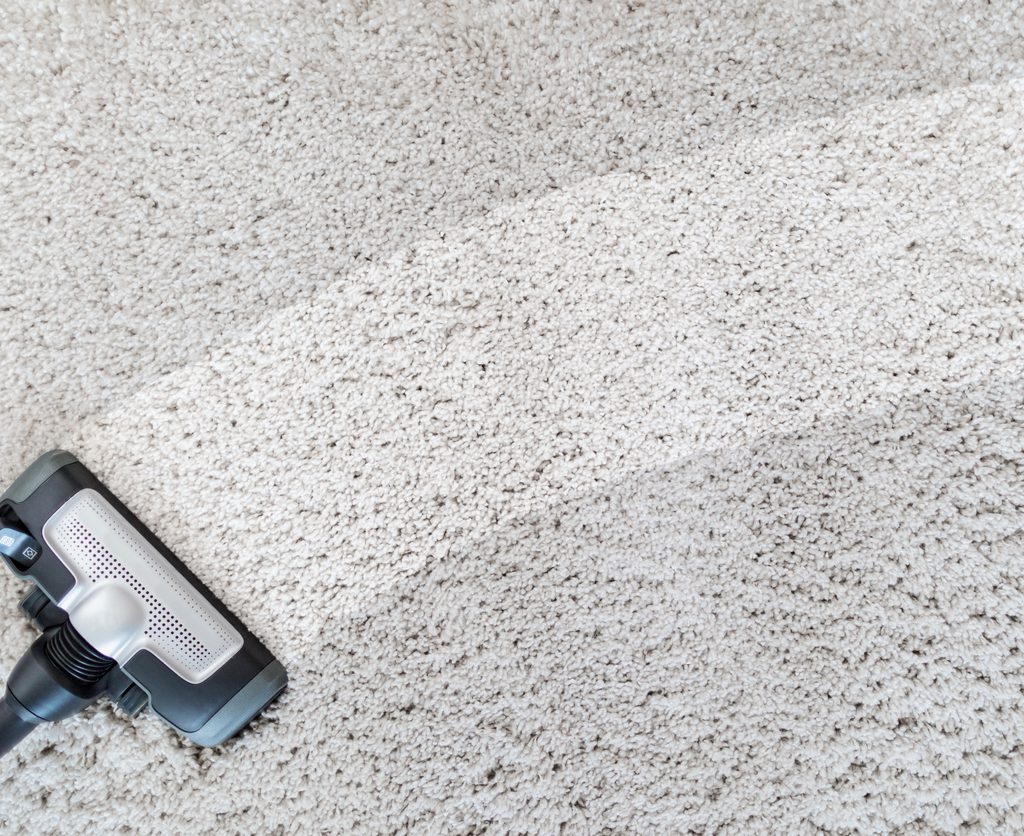
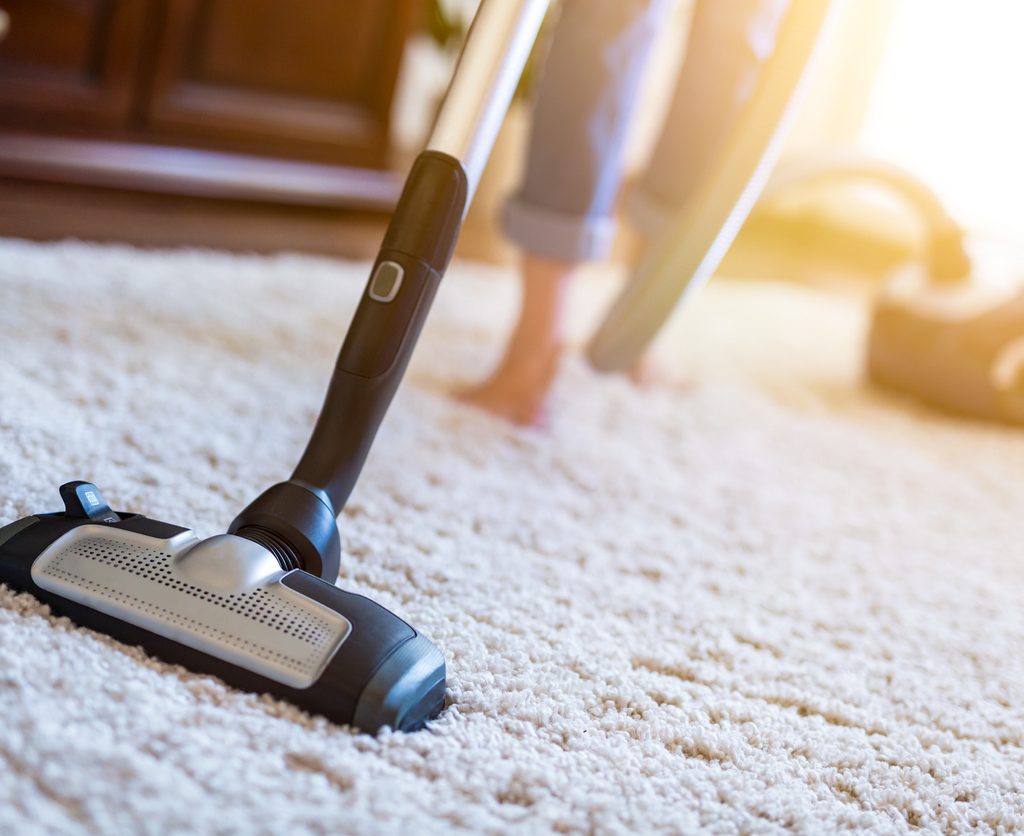
- Vacuum Regularly: Vacuum your rug at least once a week, using a vacuum with a HEPA filter to trap dust and allergens. Be sure to vacuum in both directions to remove dust from the rug's base.
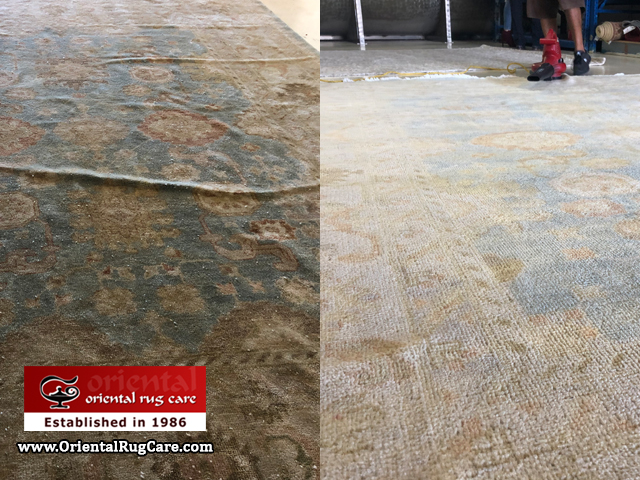
- Deep Clean Occasionally: Once or twice a year, consider hiring a professional rug cleaner or using a rug shampoo to deep clean your rug and remove embedded dirt and dust.
Protect Your Rug
Protecting your rug from excessive wear and tear can help minimize dust shedding. Here's how:
- Use Area Rug Pads: Area rug pads not only prevent your rug from slipping but also absorb shock and reduce wear and tear on the fibers.
- Rotate Your Rug: Rotate your rug every few months to ensure even wear and prevent excessive dust shedding in high-traffic areas.
Choose the Right Rug
When selecting a rug, consider the following factors to minimize dust shedding:
- Material: Synthetic fibers like nylon or polyester shed less than natural fibers. However, they may not offer the same level of comfort and durability.
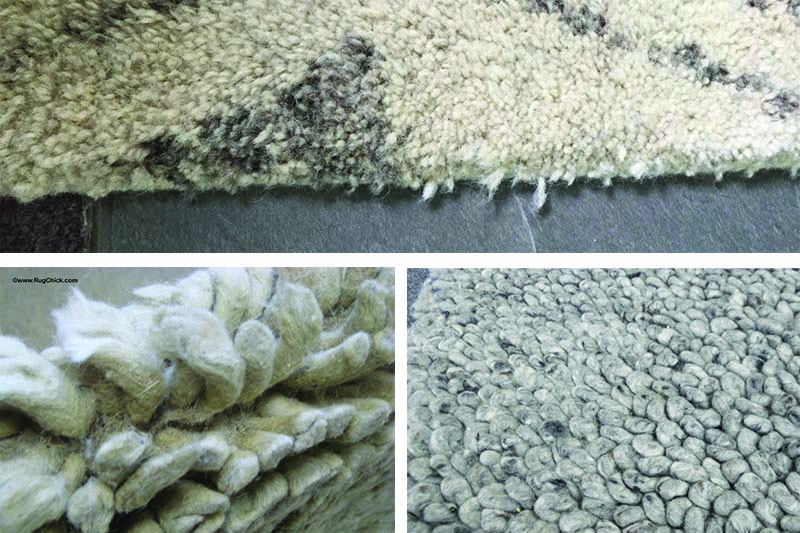
- Construction: Tightly woven rugs with a dense pile shed less dust than loosely woven ones.
When to Consider Replacing Your Rug
While regular cleaning and maintenance can help manage dust shedding, there may come a time when your rug is beyond help. Signs that it's time to replace your rug include:

- Excessive shedding, despite regular cleaning and maintenance
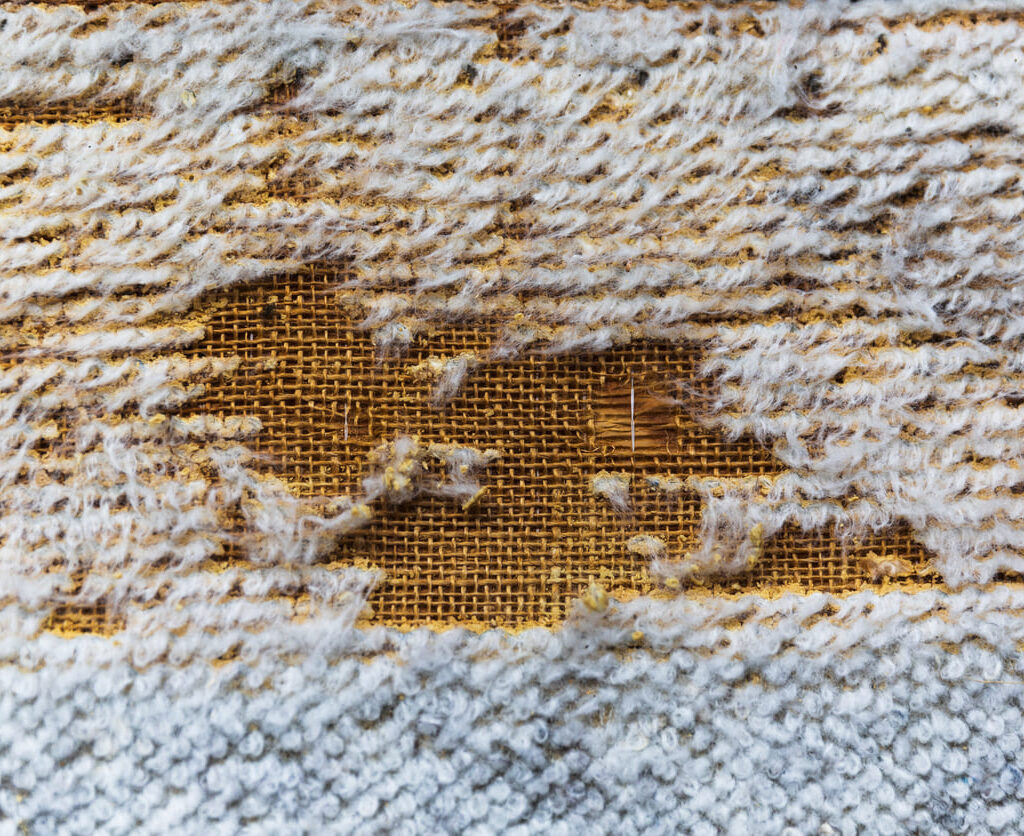
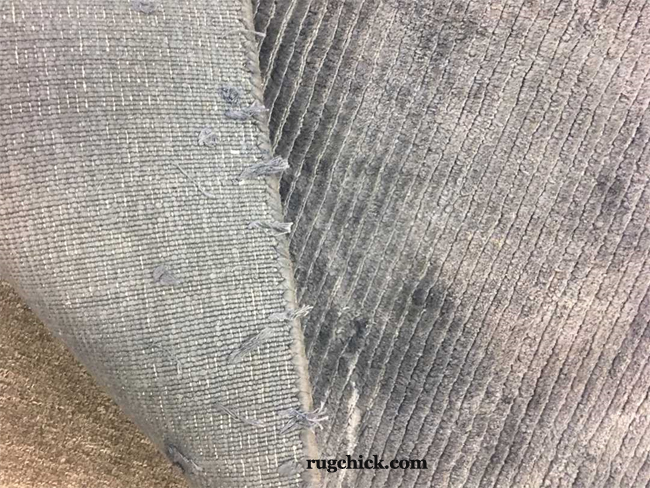
- Visible wear and tear, such as frayed edges or a thin, matted pile
- Allergies or asthma symptoms that worsen when you're in the room with the rug
In such cases, it's best to invest in a new rug that meets your needs and offers better durability and manageability.
More Details



.jpg_00.jpeg)