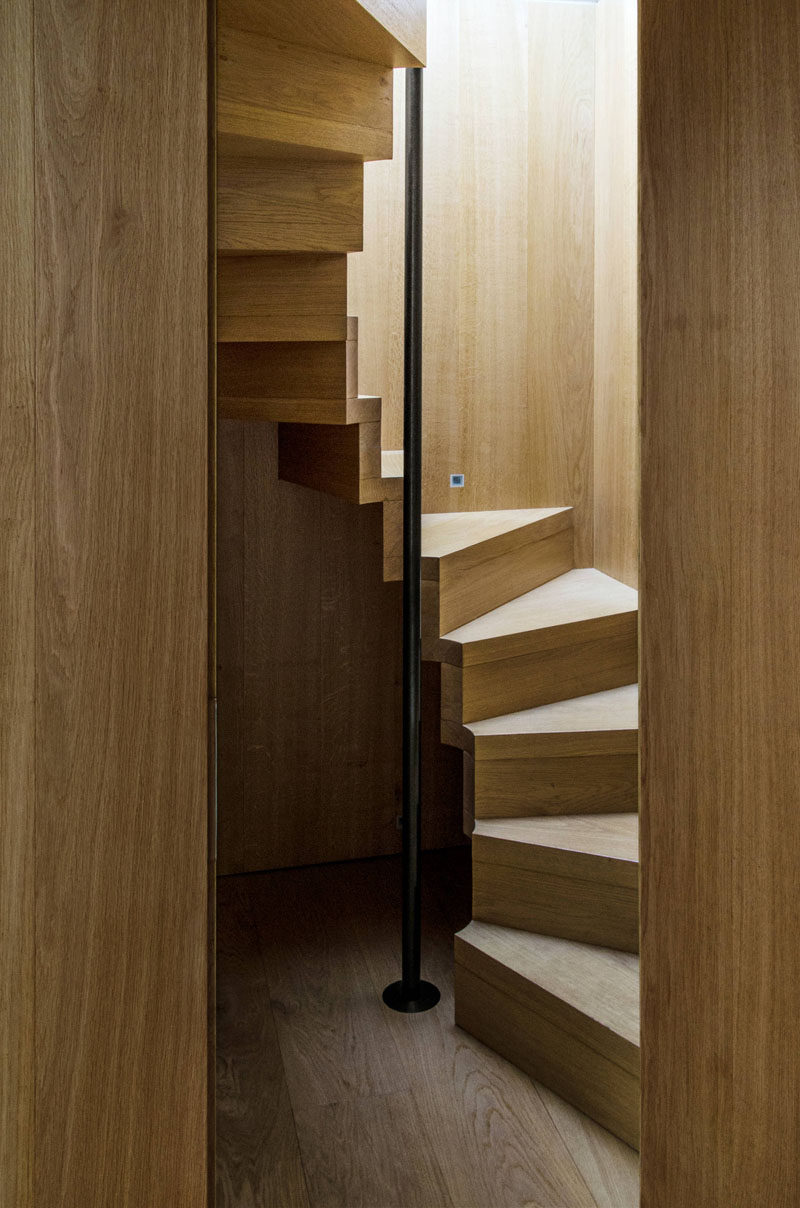
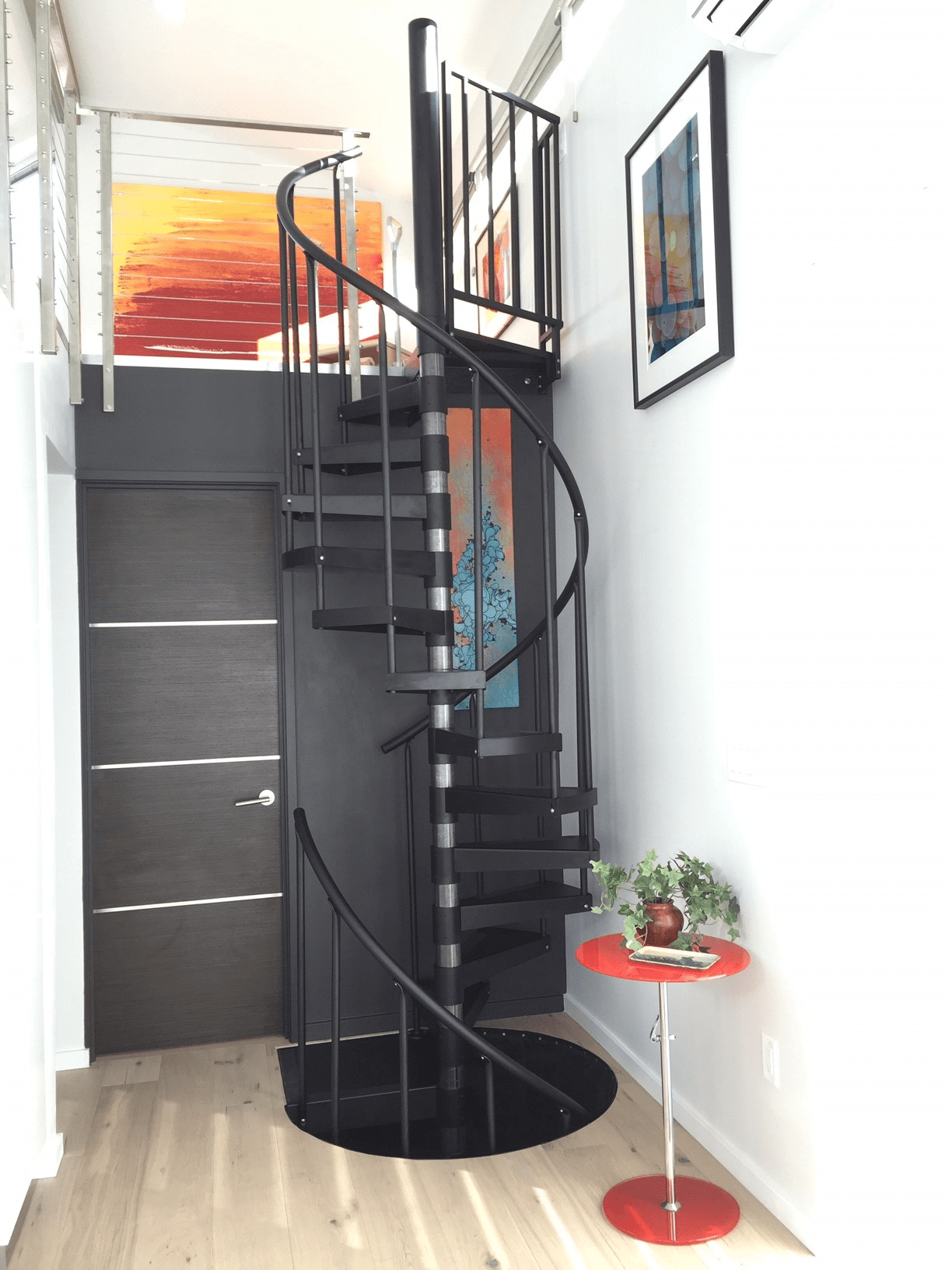
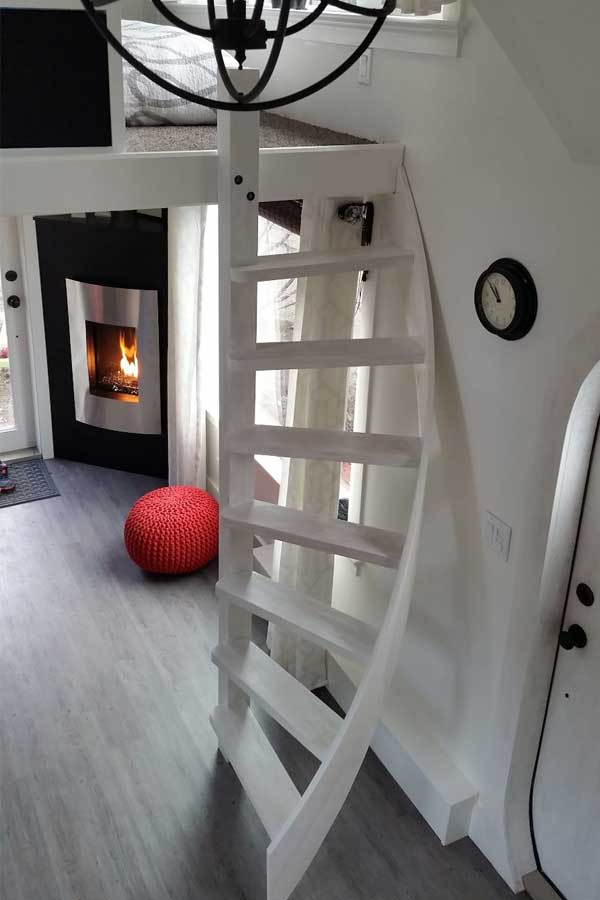
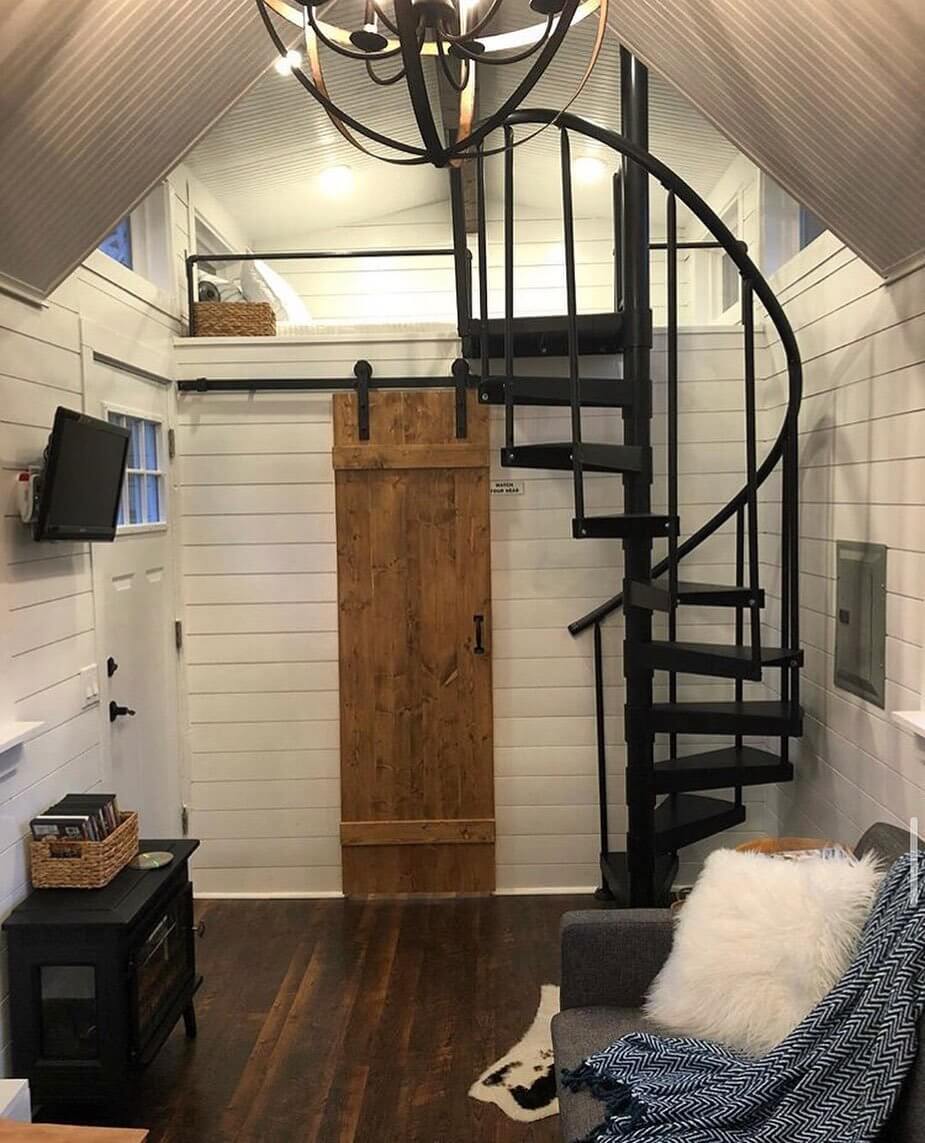
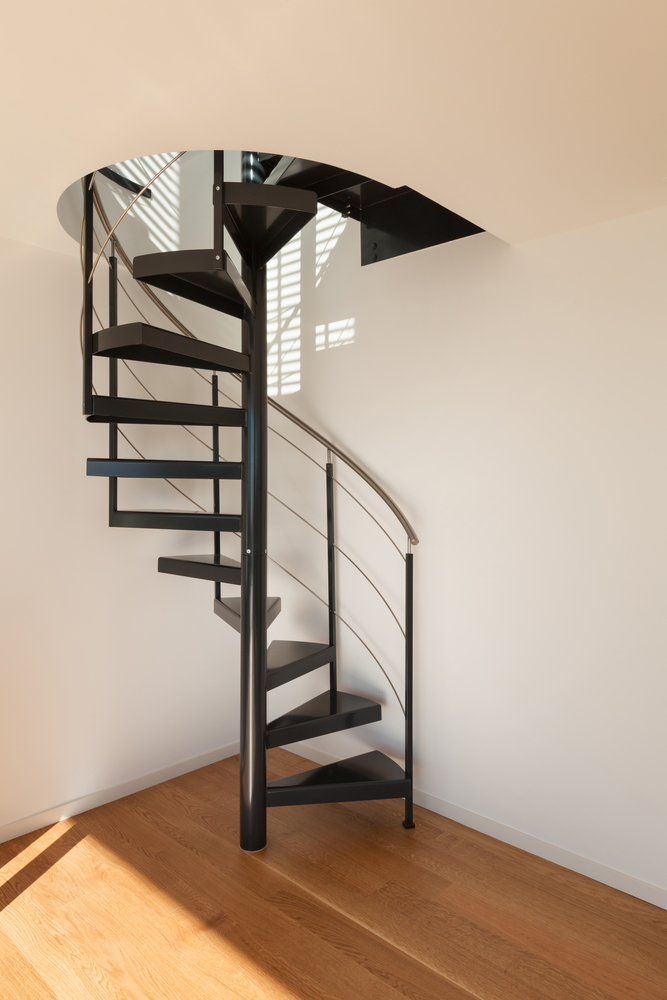
In the quest to maximize space in small homes, every design element counts. One often overlooked space-saving solution is the spiral staircase. These elegant and compact structures are not just for grand mansions or castles; they can be a practical and stylish addition to small houses as well. Let's delve into the world of spiral staircases, their benefits, types, and how they can transform your small home.
Why Choose a Spiral Staircase for Your Small House?
Spiral staircases are designed to occupy minimal space, making them an ideal choice for small homes. Here are some compelling reasons to consider one:
- Space Efficiency: Spiral staircases can be as little as 42 inches in diameter, fitting into spaces where traditional straight or L-shaped staircases wouldn't.
- Vertical Space Utilization: They allow you to make the most of your home's vertical space, providing access to upper floors without taking up valuable square footage on the ground level.
- Style and Aesthetics: Spiral staircases add a touch of elegance and uniqueness to your home. They can be designed to fit various architectural styles, from modern and minimalist to classic and ornate.
Types of Spiral Staircases for Small Homes
Spiral staircases come in various types, each with its own advantages. Here are a few options to consider:

Freestanding Spiral Staircases
Freestanding spiral staircases are self-supporting and can be placed anywhere in your home. They are typically made of metal, with a central pole supporting the treads. This type offers the most flexibility in placement but may require additional support for the central pole.
Wall-Mounted Spiral Staircases
Wall-mounted spiral staircases are attached to a wall, which supports the structure. This type is ideal for small homes as it requires minimal floor space. However, it may not be suitable for all wall types, and you'll need to ensure the wall can support the weight.
Straight Flight Spiral Staircases
Straight flight spiral staircases are similar to traditional straight staircases but with a spiral twist. They are ideal for homes with limited floor space but sufficient vertical space. These staircases typically require a larger footprint than other spiral staircase types but offer a more traditional feel.

Factors to Consider When Choosing a Spiral Staircase
Before you decide on a spiral staircase, consider the following factors:
- Headroom: Ensure there's enough headroom at the top and bottom of the staircase, especially if you're tall.
- Tread Width: Wider treads provide more comfort and stability but may not fit in smaller spaces.
- Material: Choose a material that fits your home's aesthetic and can withstand regular use. Common materials include metal, wood, and glass.
- Building Codes and Regulations: Check local building codes and regulations to ensure your chosen staircase complies with safety standards.
Case Studies: Spiral Staircases in Small Homes
To inspire your design, here are a few examples of spiral staircases in small homes:
| Home | Spiral Staircase Type | Key Features |
|---|---|---|
| Modern Tiny House | Freestanding | Minimalist design, stainless steel material, 42-inch diameter |
| Industrial Loft | Wall-Mounted | Exposed metal structure, open treads, fits seamlessly with industrial aesthetic |
| Cozy Cottage | Straight Flight | Wooden treads and railings, traditional style with a spiral twist, requires more floor space but offers a more traditional feel |
Spiral staircases are not just a practical solution for small homes; they can also be a stylish and elegant addition. By understanding the different types, factors to consider, and seeing them in action, you're well on your way to choosing the perfect spiral staircase for your small house.
More Details