Embarking on a journey to transform your outdoor space into a lush, inviting oasis? You're in the right place. This comprehensive guide will delve into the art and science of lawns and gardens, equipping you with the knowledge to create a sanctuary that's not only a joy to behold but also a haven for wildlife and a testament to your green thumb.
Understanding Your Canvas: Soil, Climate, and Space
Before you dive into planting, it's crucial to understand the unique canvas you're working with. The first step is to test your soil. Its pH, texture, and nutrient levels will dictate the types of plants that will thrive. You can purchase a home testing kit or send samples to a professional lab for a more detailed analysis. Next, consider your climate. Are you in a hot, dry region or a cool, rainy one? This will influence your plant choices. Lastly, assess your space. Observe the amount of sunlight different areas receive and consider the layout and flow of your garden.
Designing Your Oasis: From Lawns to Border Plants
Lawns: The Backbone of Your Garden
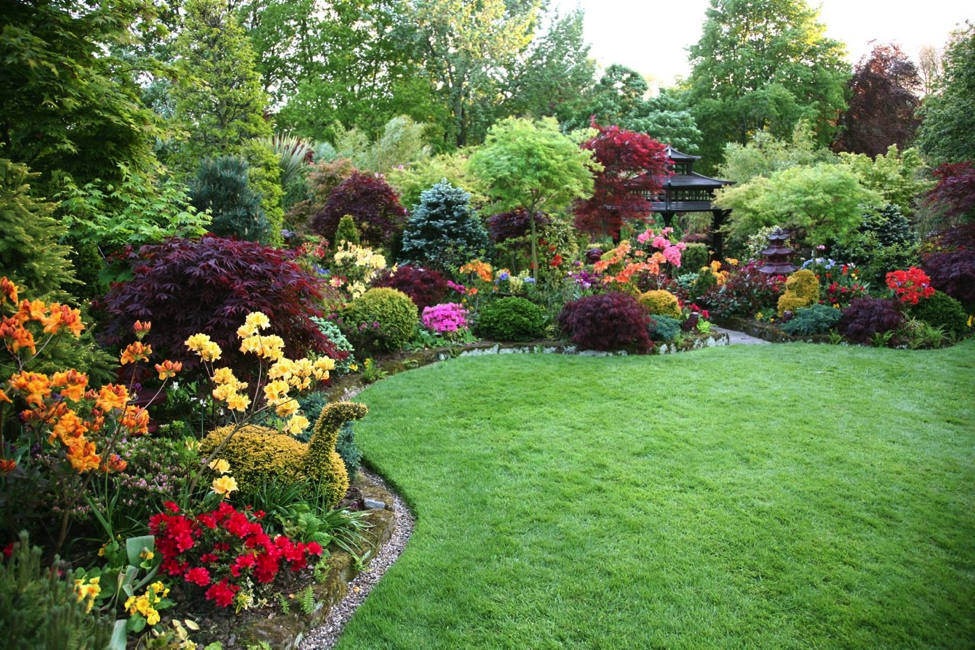
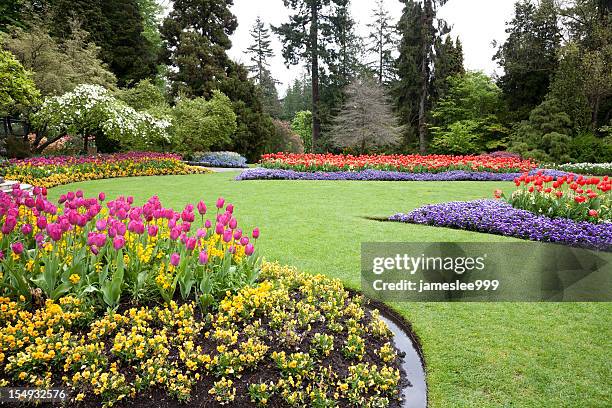
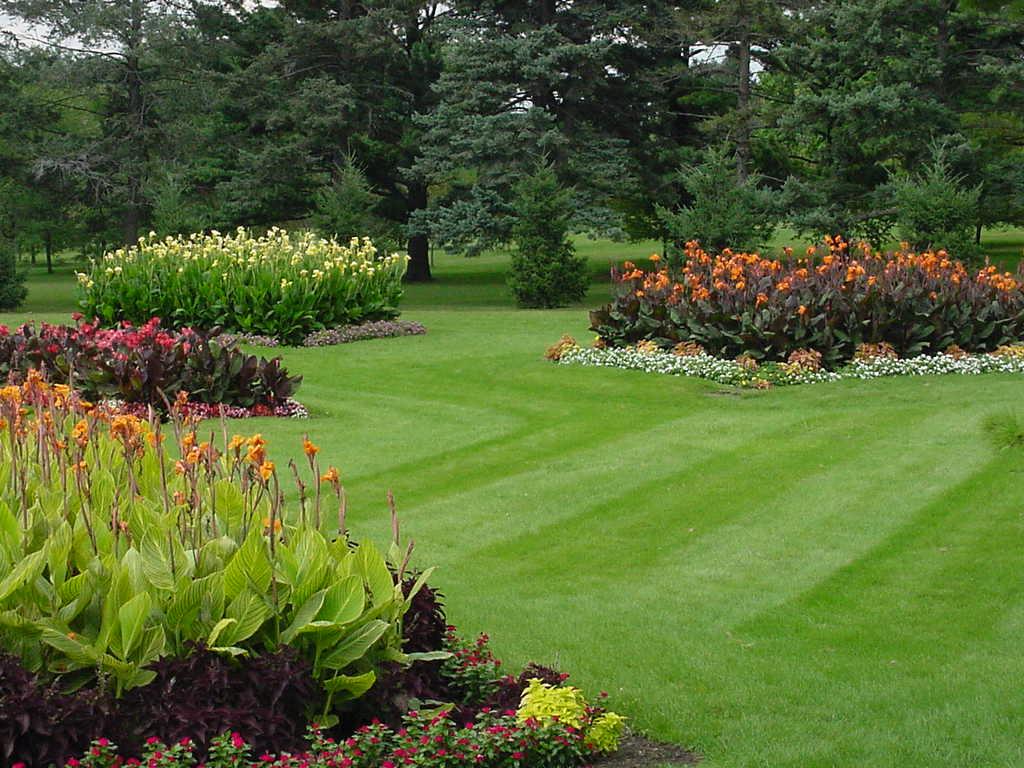
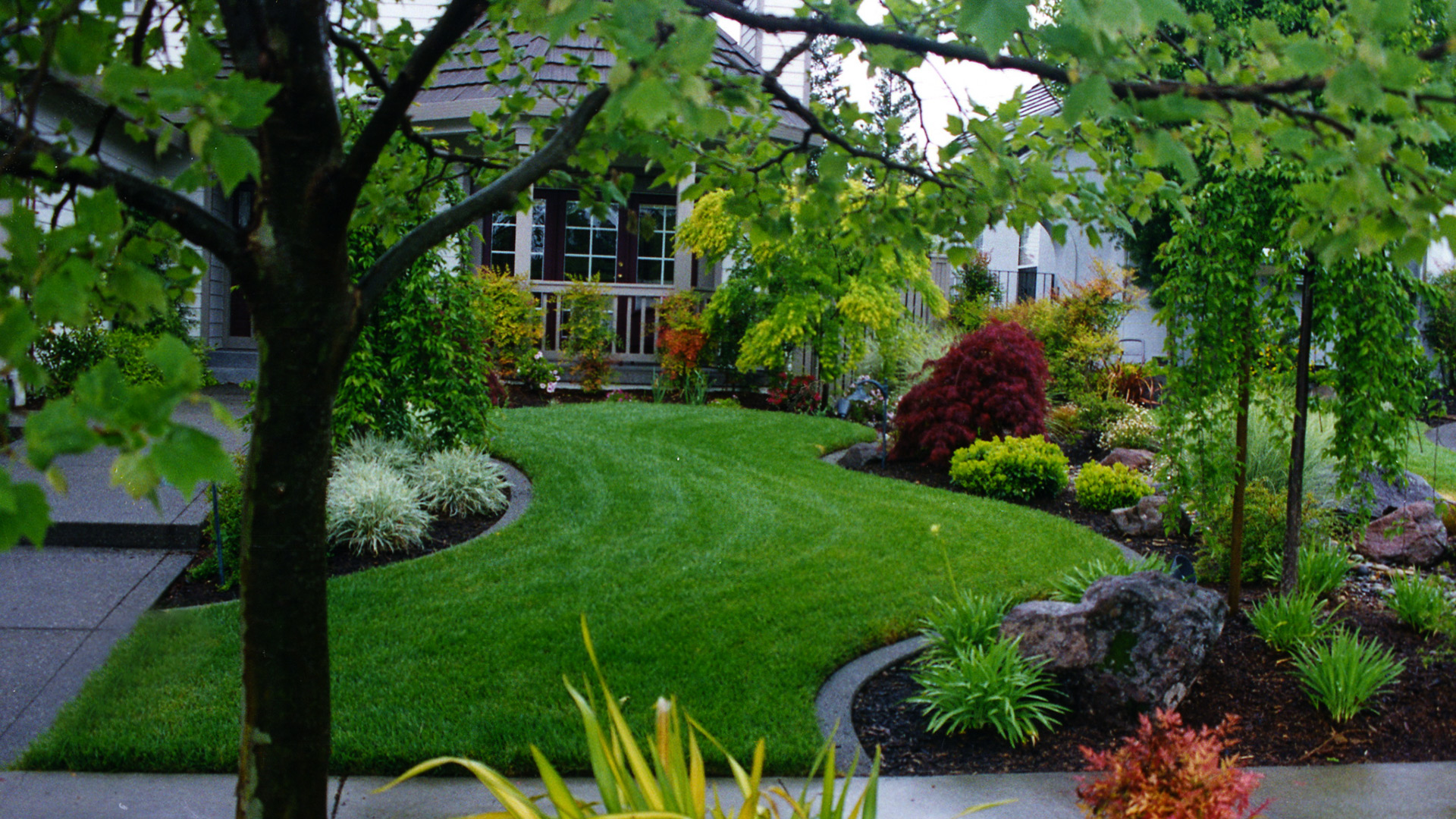
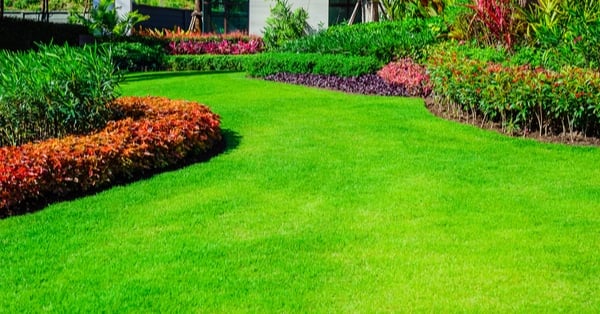
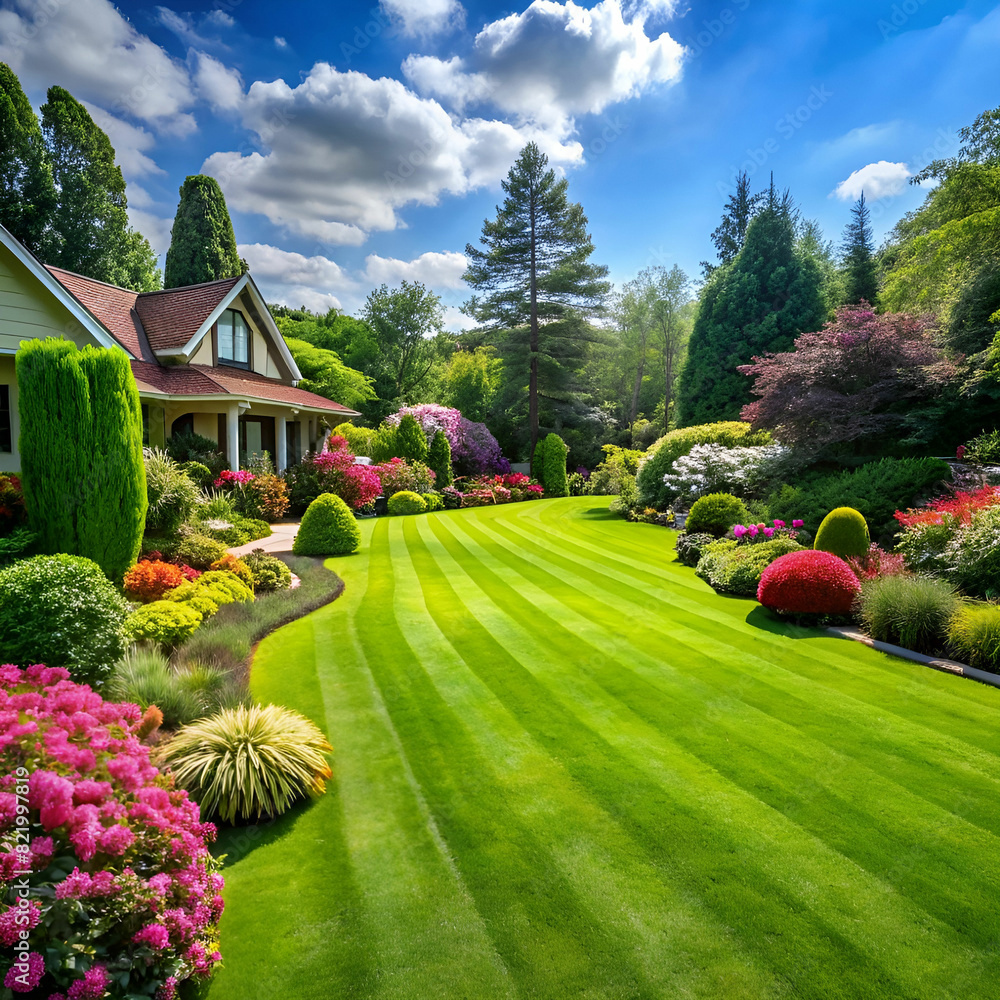
Lawns are the foundation of many gardens, providing a lush, green expanse that ties the space together. When choosing a grass type, consider factors like sunlight exposure, foot traffic, and maintenance requirements. Cool-season grasses, like Kentucky bluegrass, thrive in northern climates and partial shade, while warm-season grasses, such as Bermuda grass, prefer southern climates and full sun.
Border Plants: The Frame of Your Garden
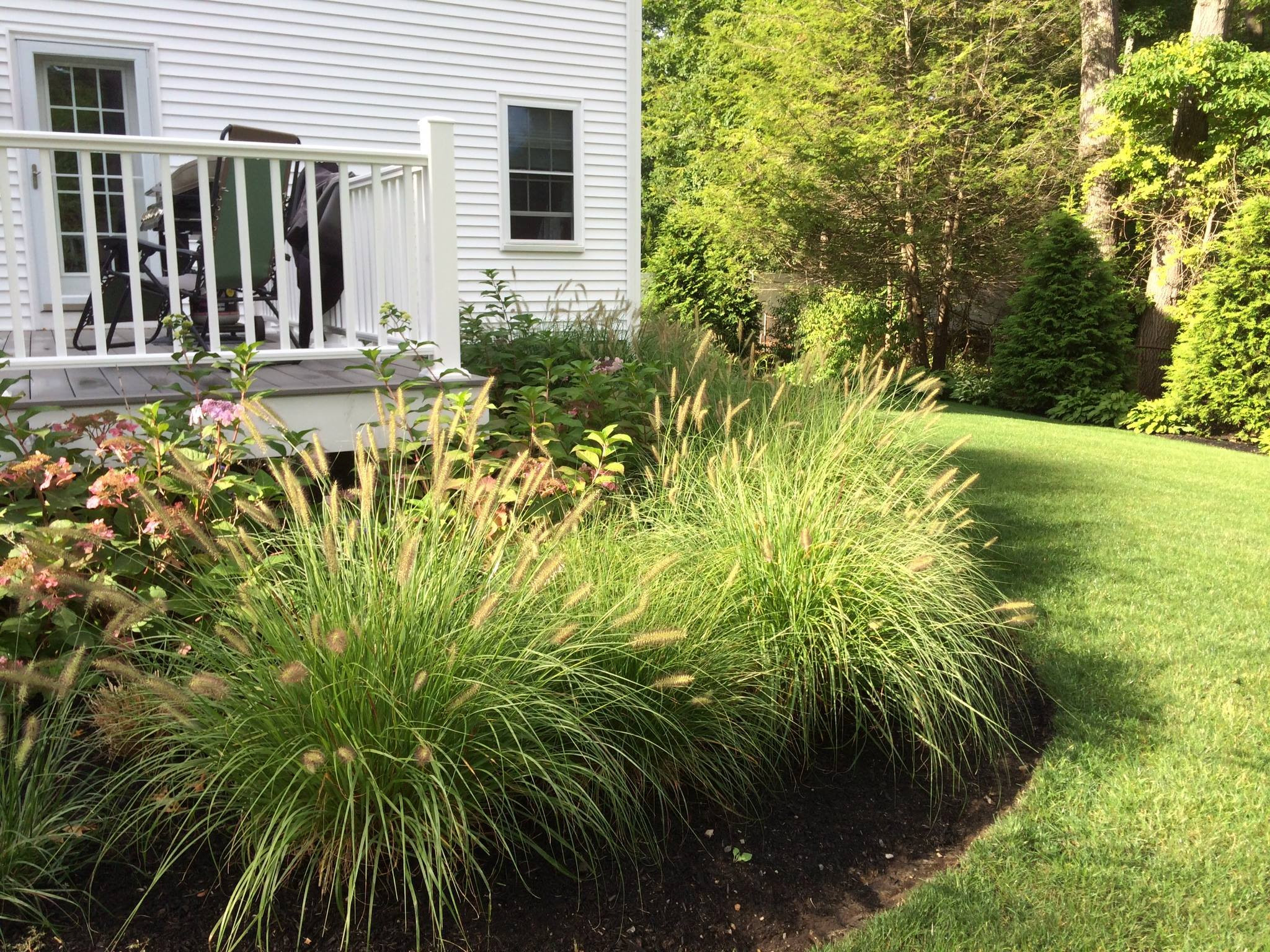
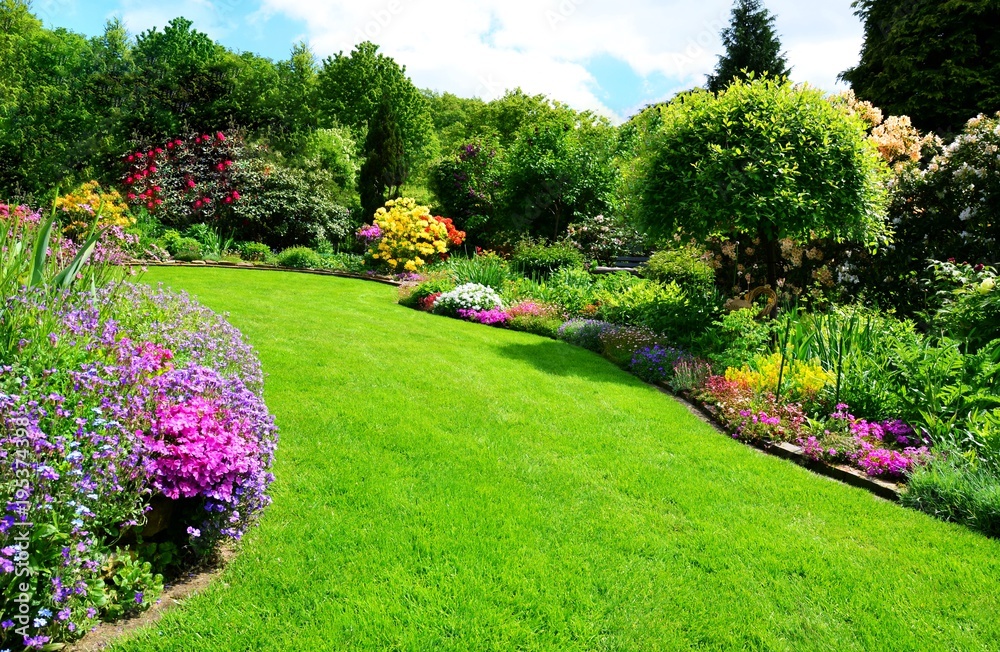
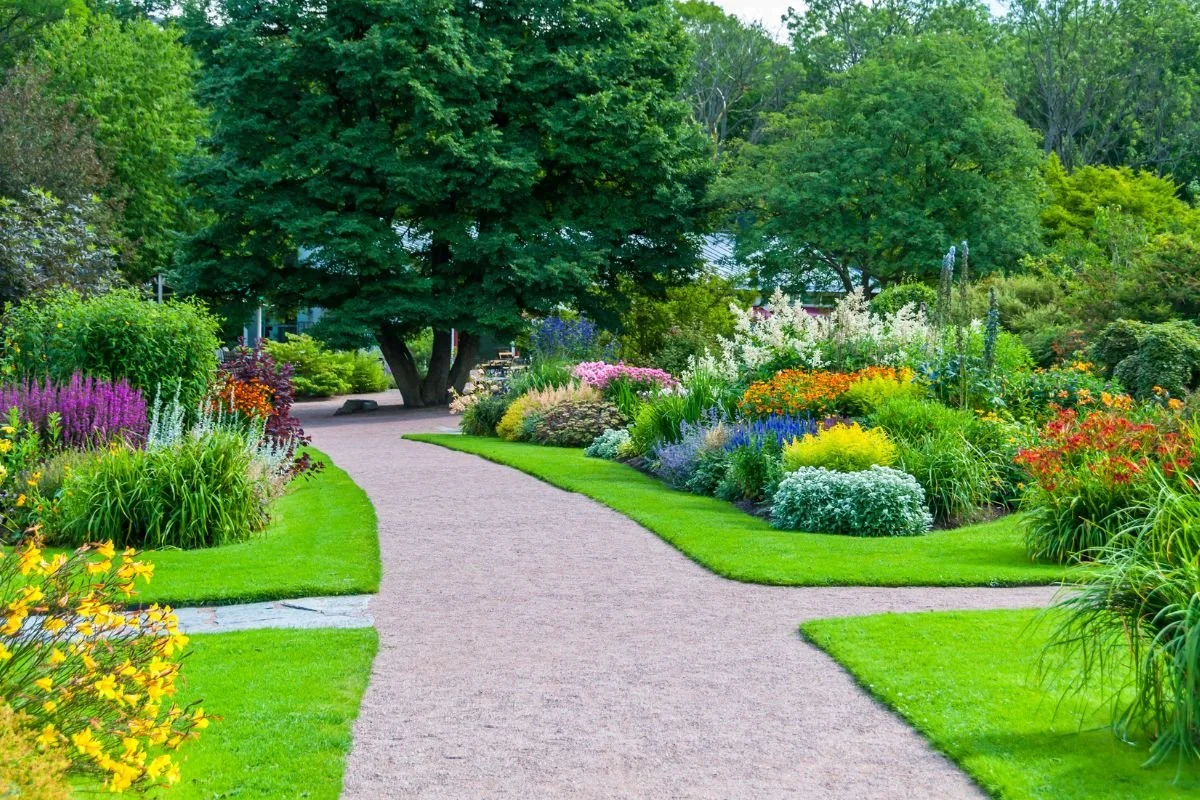
Border plants, or edging plants, serve as the frame of your garden, adding texture, color, and interest. They can be used to define spaces, create contrast, or provide a sense of enclosure. When selecting border plants, consider their size at maturity, growth habit, and maintenance needs. Perennials, shrubs, and ornamental grasses are all excellent choices for borders.
Creating Focal Points: The Jewel in Your Garden's Crown
Every garden needs a focal point, a jewel that draws the eye and adds drama. This could be a striking tree, a sculpture, a water feature, or a vibrant flower bed. The key is to choose something that complements your garden's style and adds visual interest.
Cultivating Life: Planting and Maintaining Your Garden
Once you've designed your garden, it's time to bring it to life. Start by preparing your soil, adding organic matter like compost to improve its structure and fertility. Next, plant your selections, following the guidelines for each plant's specific needs. Water deeply and regularly, especially during the first growing season. Mulching around plants will help retain moisture, suppress weeds, and regulate soil temperature.
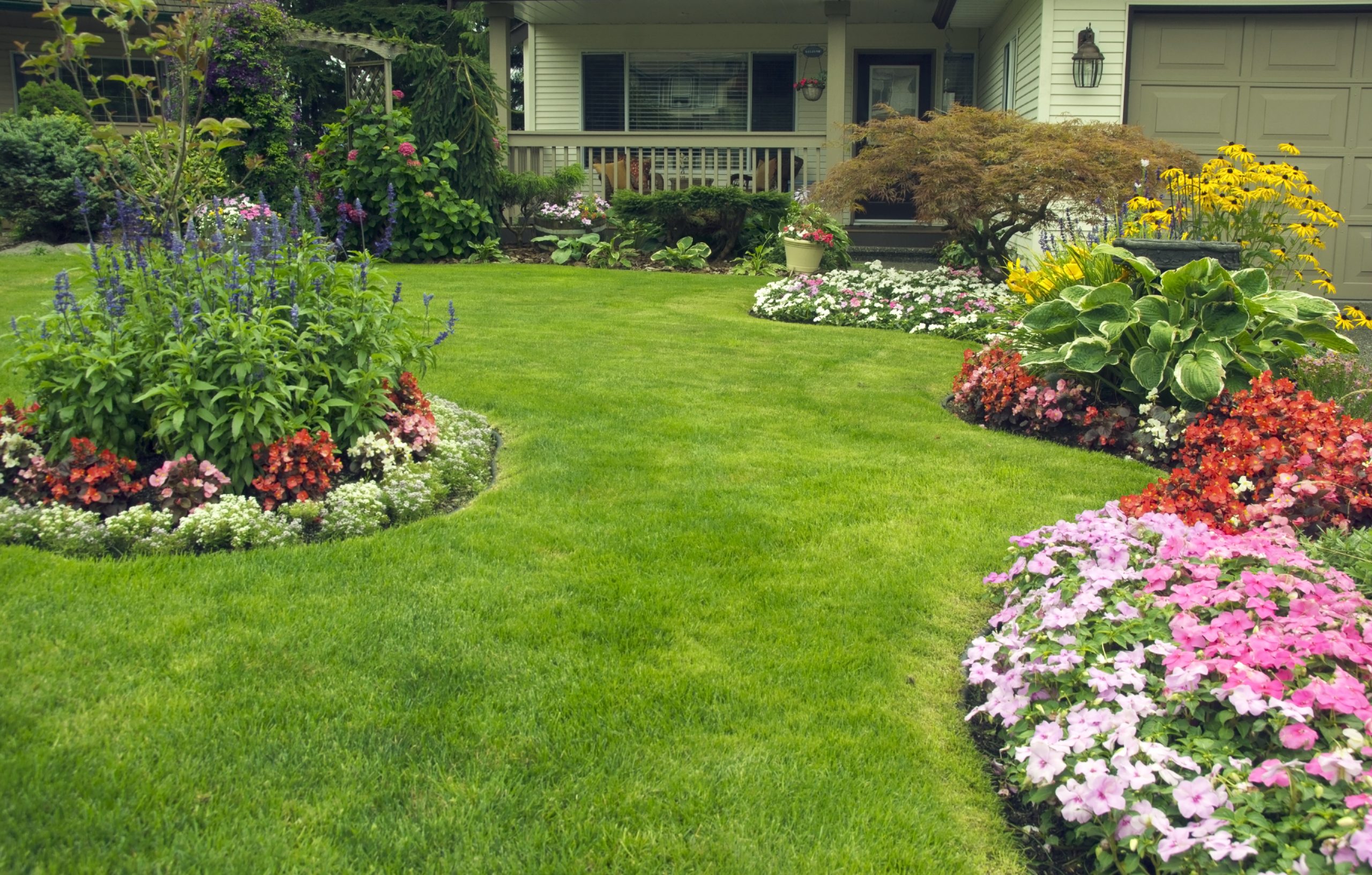
Regular maintenance is key to keeping your garden healthy and vibrant. This includes mowing, weeding, pruning, and fertilizing. It's also an opportunity to observe your garden's health, addressing any issues early on. Remember, a healthy garden is a resilient garden.
Inviting Wildlife: Creating a Haven for Nature
Gardens aren't just for humans to enjoy. By incorporating native plants and providing food, water, and shelter, you can create a haven for wildlife. This not only benefits the environment but also adds a layer of beauty and interest to your garden. Think of it as a symbiotic relationship: your garden thrives, and so does the local ecosystem.
Eco-Friendly Gardening: Sustainable Practices for a Greener World
As gardeners, we have a responsibility to care for the environment. This means adopting sustainable practices, like conserving water, reducing chemical use, and supporting biodiversity. By doing so, we're not just creating a beautiful garden, we're contributing to a healthier planet.
| Tip | Benefit |
|---|---|
| Mulch | Retains soil moisture, reducing the need for watering |
| Plant native, drought-tolerant species | Adapted to local climate, requiring less water |
| Water deeply and less frequently | Encourages deep root growth, making plants more resilient |
| Collect and use rainwater | Conserves municipal water supplies and reduces runoff |
In conclusion, creating a lawn and garden that's both beautiful and sustainable is a journey of discovery and learning. It's about understanding your space, selecting the right plants, and caring for them in a way that supports both your garden's health and the environment's. So, grab your gloves, get outside, and let's grow something wonderful together.
More Details


/SmallLawn_Getty-56a594165f9b58b7d0dd7531.jpg)