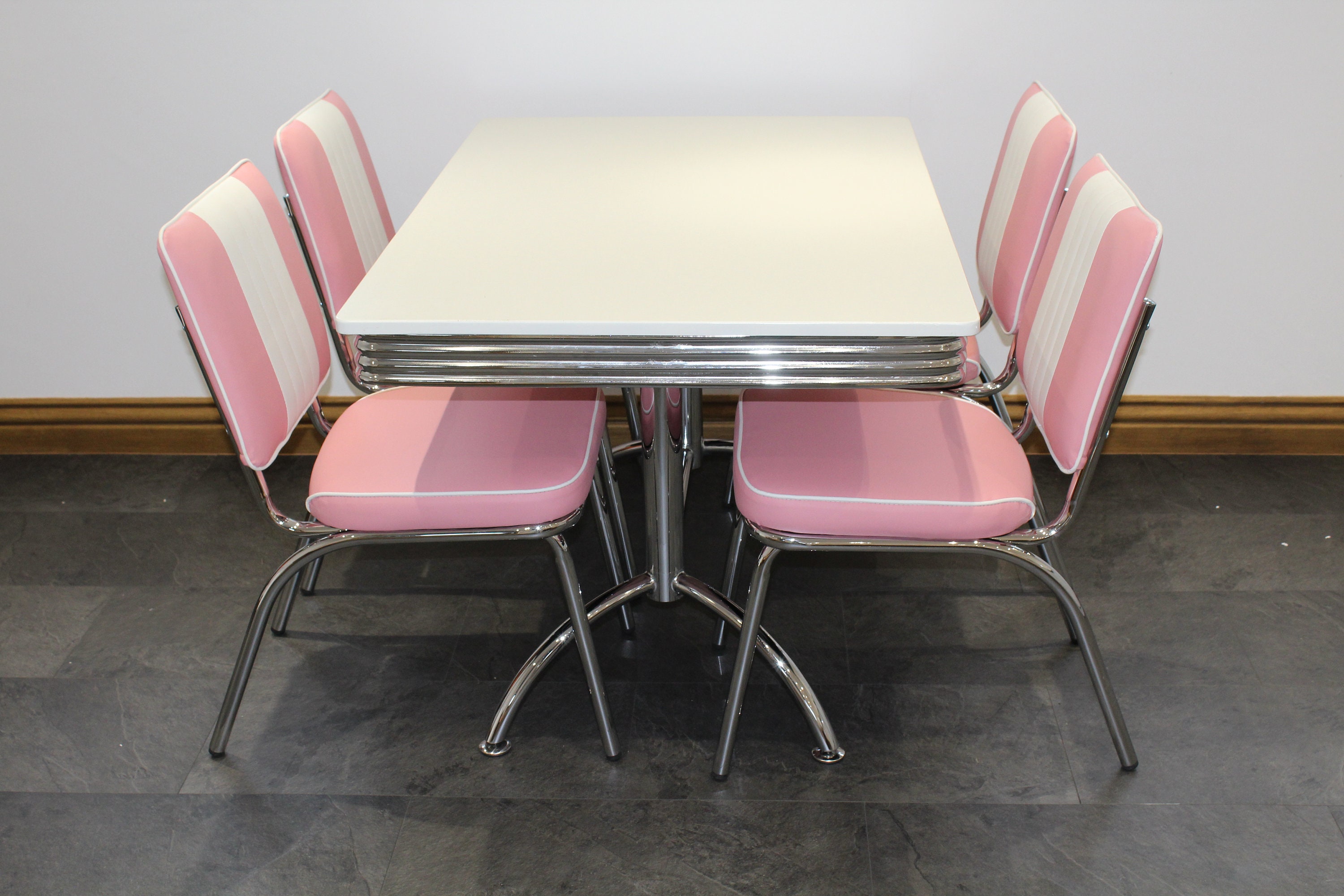
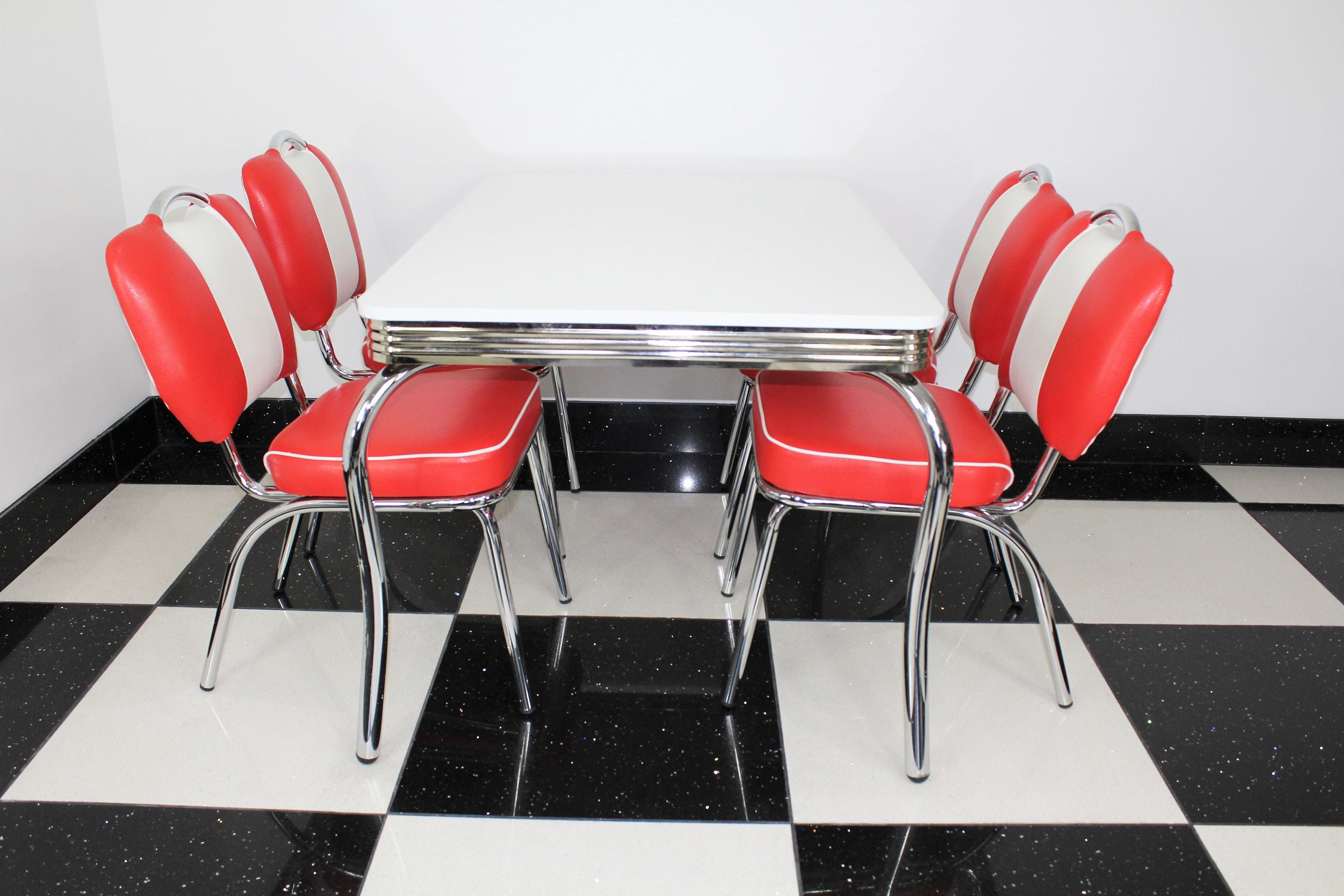
The 1950s, a decade marked by post-war prosperity and optimism, saw significant changes in home design and dining habits. The dining room table, a central piece of furniture, evolved to reflect these shifts. Let's delve into the world of 1950s dining room tables, exploring their design, materials, and cultural significance.
The Rise of the Modern Dining Table
In the 1950s, the dining table transitioned from a grand, formal piece of furniture to a more casual, functional centerpiece. This shift was influenced by several factors, including the growth of suburbia, the rise of the nuclear family, and the increasing popularity of informal dining. The 1950s dining table was designed to accommodate these changes, becoming a multifunctional space for meals, homework, and social gatherings.
Design and Aesthetics
The 1950s dining table was characterized by clean lines, simple shapes, and a focus on functionality. The mid-century modern design movement, led by pioneers like Charles and Ray Eames, George Nelson, and Arne Jacobsen, heavily influenced these tables. They favored natural materials like wood and glass, and innovative materials like plastic and metal.

Round and oval tables were particularly popular in the 1950s, as they encouraged conversation and made the most of limited space. Extension leaves were a common feature, allowing tables to adapt to the size of the gathering. Some tables even had built-in leaf storage for convenience.
Materials: Wood, Formica, and Plastic
Wood remained the primary material for dining tables, with popular choices including maple, birch, and oak. However, the 1950s also saw the rise of new materials like Formica and plastic.
Formica, an early brand of plastic laminate, was introduced in the 1920s but gained popularity in the 1950s. It was durable, easy to clean, and available in a wide range of colors and patterns. Plastic, too, became more common, with manufacturers like Herman Miller and Knoll producing innovative, lightweight designs.

Iconic 1950s Dining Tables
Several dining tables from the 1950s have become design icons, celebrated for their innovative design and enduring appeal. Here are a few notable examples:
- Eames Molded Plywood Coffee Table (1946): While not a traditional dining table, this design by Charles and Ray Eames is a classic example of mid-century modern design. Its lightweight, molded plywood construction and elegant, sculptural form make it a timeless piece.
- George Nelson Platform Bench (1946): This modular seating system, designed by George Nelson for Herman Miller, was often used in combination with a dining table. Its simple, elegant design and versatile functionality make it a 1950s classic.
- Arne Jacobsen's Series 7 Chair and Table (1955): This iconic design by Arne Jacobsen features a lightweight, stackable chair and a matching dining table. The table's elegant, sculptural base and clean, minimalist design make it a standout piece of mid-century modern furniture.
Legacy of the 1950s Dining Table
The 1950s dining table laid the groundwork for modern dining furniture. Its focus on functionality, adaptability, and casual elegance continues to influence designers today. Whether you're looking for a vintage piece or a modern interpretation, incorporating a 1950s-inspired dining table into your home can add a touch of mid-century modern charm and timeless style.
More Details