Bringing Serenity Indoors: The Art of Creating a Zen Garden in Your House
In the heart of bustling cities and amidst the chaos of daily life, there's a growing trend of incorporating nature and tranquility into our homes. One such way is by creating a Zen garden, a miniature Japanese-inspired landscape that promotes mindfulness and relaxation. This guide will walk you through the art of designing a Zen garden in your house, optimizing your space for peace and harmony.
Understanding Zen Gardens
Zen gardens, also known as 'karesansui' or 'dry landscape', originated in Japanese Zen Buddhism. They are designed to evoke feelings of calm and contemplation, inviting you to pause, breathe, and find inner peace. Traditional Zen gardens feature elements like sand, stones, moss, and a few carefully chosen plants, all arranged in a way that encourages introspection and a sense of oneness with nature.
Choosing the Perfect Spot
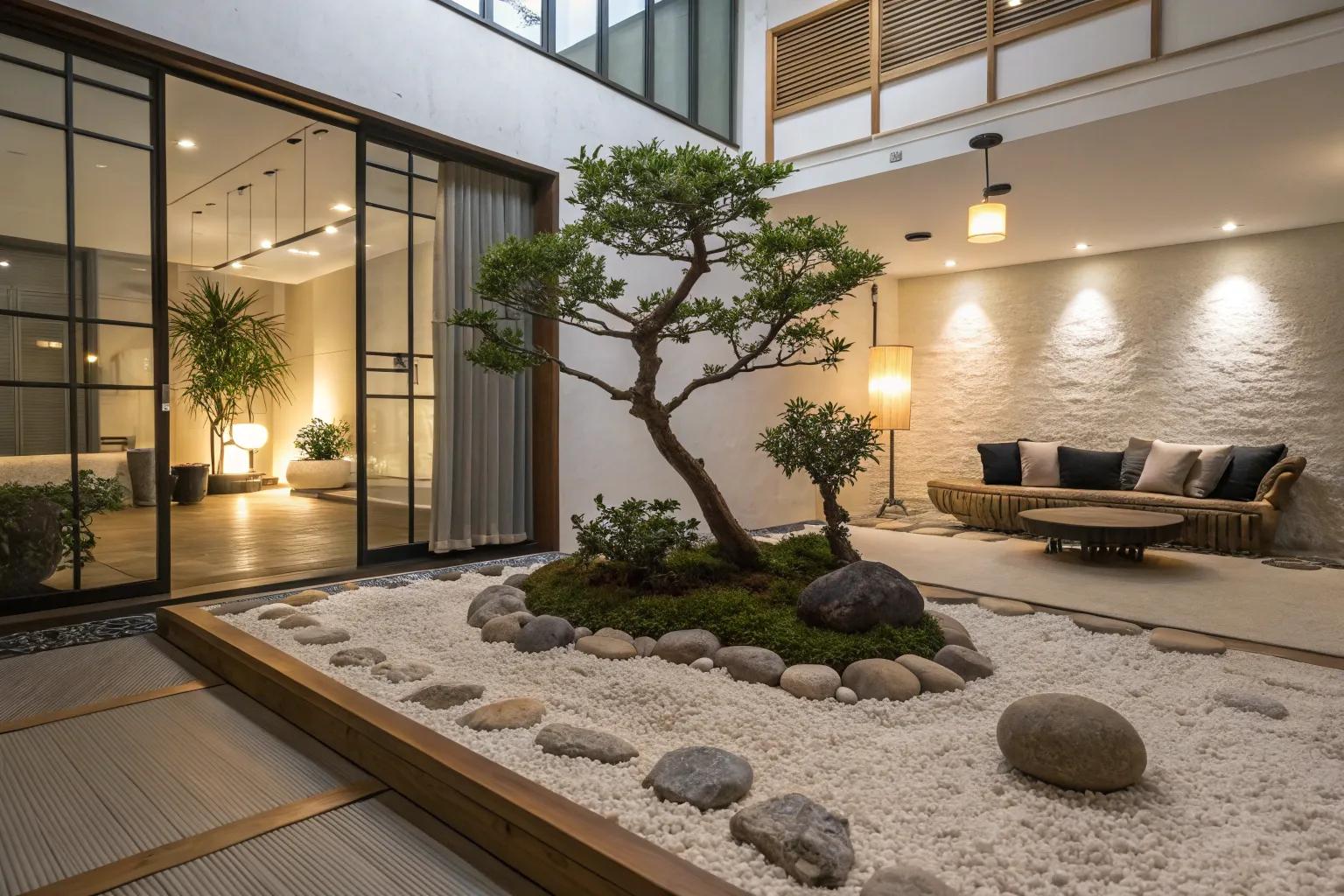
Before you start designing, consider the location of your Zen garden. Ideally, it should be a quiet, secluded space where you can retreat to for moments of solitude. This could be a corner of your living room, a balcony, or even a small courtyard. Once you've chosen the spot, measure it accurately to ensure your design fits perfectly.

Assessing Light and View
Consider the natural light and view from the space. Zen gardens typically thrive in areas with partial shade, as this helps maintain the tranquility of the space. If your garden will be visible from inside your house, ensure it's a pleasing sight that complements your interior decor.
Designing Your Zen Garden
Now that you've chosen the perfect spot, it's time to bring your Zen garden to life. Here are some key elements to consider:
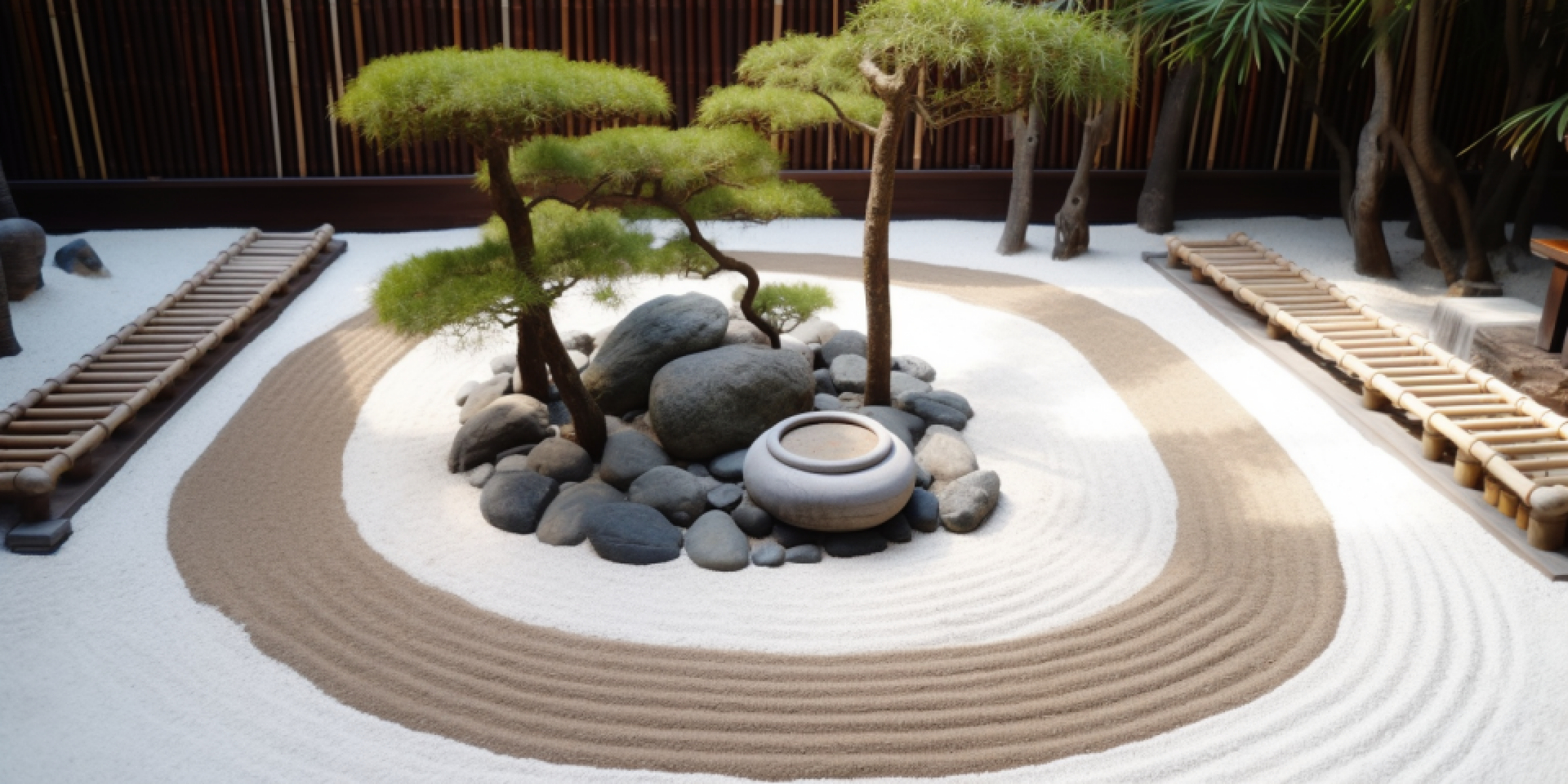
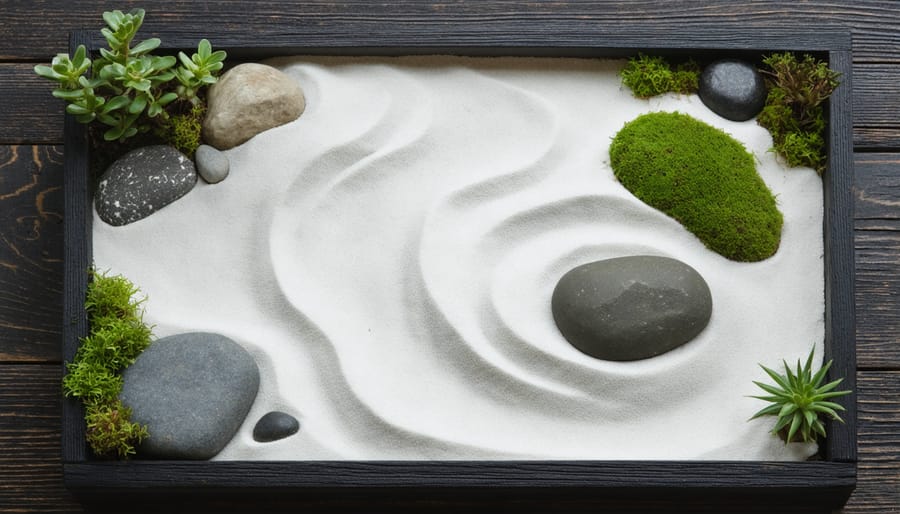
- Base Material: The base of your garden could be sand, gravel, or even a mix of both. This represents water or the sea and is often raked into patterns to symbolize waves.
- Stones: Stones are a crucial element in Zen gardens, often representing islands, mountains, or even spiritual enlightenment. Choose stones that are smooth, weathered, and visually appealing.
- Plants: While Zen gardens are minimalistic, a few carefully chosen plants can add life and color. Moss, bamboo, and evergreen shrubs are popular choices as they require little maintenance and provide year-round greenery.
- Ornaments: Traditional Zen gardens may include ornaments like lanterns, statues of Buddha, or stepping stones. These should be used sparingly and only if they align with the overall aesthetic you're aiming for.
Creating Balance and Harmony
When arranging your Zen garden elements, strive for balance and harmony. This could mean placing a larger stone at the garden's focal point, with smaller stones arranged around it to create a sense of scale. Alternatively, you might choose to create a sense of balance through the use of symmetry, with identical elements placed on either side of the garden.

Raking the Sand
One of the most meditative aspects of maintaining a Zen garden is raking the sand. This is typically done using a special rake with long, thin tines, creating intricate patterns that represent the ebb and flow of water. It's a task that requires patience and precision, and can be deeply therapeutic.
Maintaining Your Zen Garden
Maintaining a Zen garden is a labor of love, but it doesn't have to be time-consuming. Regularly raking the sand, trimming plants, and removing any debris will keep your garden looking its best. Additionally, consider the seasons and how your garden might change with them. For example, you might want to add seasonal flowers or adjust the layout to reflect the changing landscape.
Incorporating Zen Principles into Your Daily Life
Creating a Zen garden is more than just a design project; it's an invitation to incorporate mindfulness and tranquility into your daily life. Spend time in your garden each day, observing the patterns in the sand, the shapes of the stones, and the movement of the plants in the breeze. Allow these observations to quiet your mind and center you in the present moment.
Creating a Zen garden in your house is a deeply personal journey, one that allows you to bring the beauty and serenity of nature into your home. Whether you're seeking a moment's respite from a busy day or a space to meditate and reflect, a well-designed Zen garden can provide the perfect sanctuary.
More Details